-
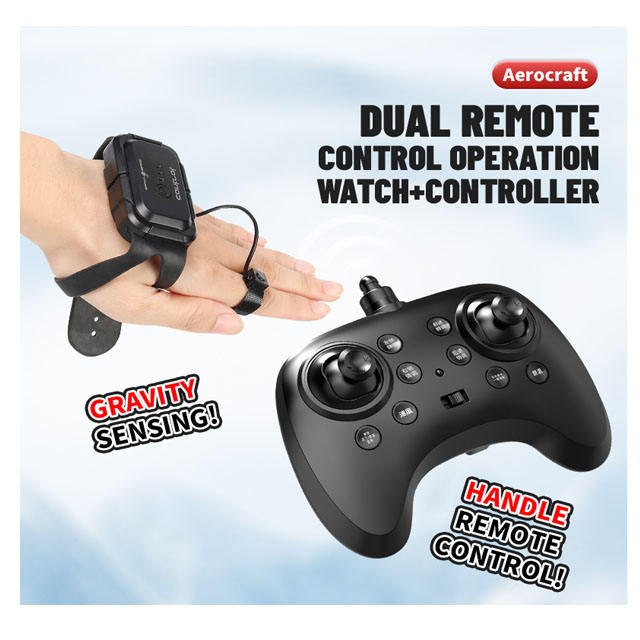
Introduction: Position the remote not as a simple joystick, but as the “cockpit” or “command center” of the drone. It’s the pilot’s direct interface with the aircraft.
-
Anatomy of a Drone Controller: A Button-by-Button Tour:
-
The Control Sticks: Detail their primary and secondary functions (e.g., left stick: throttle & yaw; right stick: pitch & roll). Explain modes (Mode 1 vs. Mode 2).
-
Shoulder Wheels/Dials: Explain their critical role in controlling the camera gimbal—tilting up/down smoothly and adjusting camera settings like exposure.
-
Function Buttons (C1, C2, etc.): Discuss customizable buttons for shortcuts like switching camera modes, toggling maps, or engaging intelligent flight modes.
-
Return-to-Home (RTH) Button: Highlight this as a crucial safety button.
-
Power Button, Status LEDs, Antennas.
-
-
The Brains Behind the Operation:
-
The Screen/Phone Holder: Explain how it transforms the controller into an FPV (First Person View) hub, showing live telemetry data (altitude, distance, battery, satellite lock, speed).
-
Telemetry: Define it and explain why real-time data is vital for safe and informed flying.
-
-
Advanced Features in Modern Controllers:
-
OcuSync, Lightbridge, etc.: Discuss proprietary transmission systems that offer incredible range and HD video feed stability.
-
Programmable Buttons & Focus Modes: For professional filmmakers.
-
Built-in Screens (DJI Smart Controller): The benefits of brightness and convenience.
-
-
How to Choose the Right Controller? Briefly advise that it usually comes with the drone, but for custom FPV builds, the choice of radio system (e.g., ExpressLRS, TBS Crossfire) is critical for latency and range.
-
Tips for Mastering Your Controller:
-
Calibration: Why and how to do it.
-
Grip and Posture: For comfortable, long flights.
-
Customizing Settings: Adjusting stick sensitivity (exponential rates) to match your flying style.
-
-
Conclusion: Frame the remote as an extension of the pilot. Mastering it is the key to transitioning from just flying to truly piloting a drone. End by noting that this powerful tool comes with the responsibility of knowing where and how far you can legally fly (segue to Blog Posts 3 & 6).