-
Introduction (Hook): Start with an engaging scene—a breathtaking aerial shot of a landscape, a rescue operation, or a farmer surveying crops. Ask the reader: “Ever wondered how these eyes in the sky are guided? The answer lies in the palm of your hand.”
-
The Short Answer: Absolutely, and Here’s How: State clearly that not only is it possible, but it’s the fundamental way all consumer and professional drones operate. Introduce the core components: the Remote Controller (Transmitter), the Drone (Receiver), and the communication link between them.
-
Breaking Down the “Remote” in Remote Control:
-
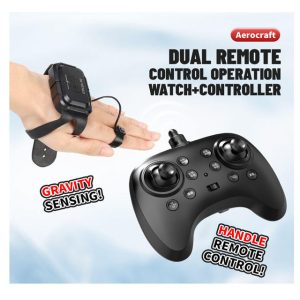
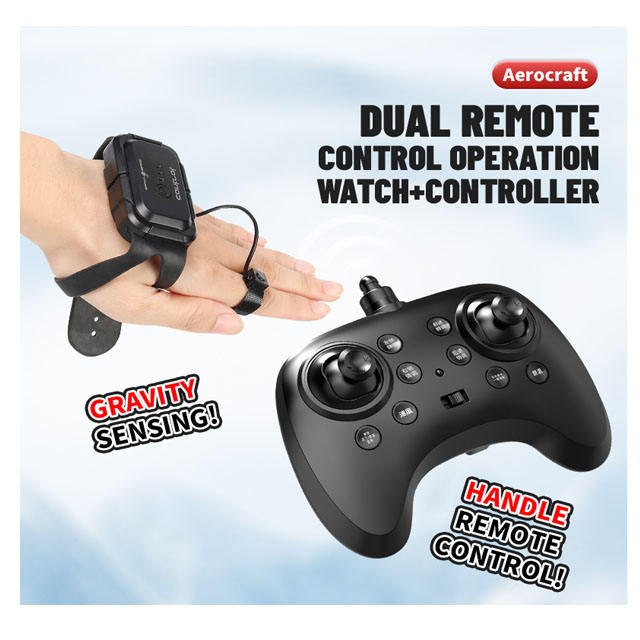
The Physical Controller: Describe the standard layout (sticks, buttons, wheels). Explain how it feels like a video game controller but is a sophisticated radio device.
-
The Invisible Link: Explain the radio frequencies (like 2.4 GHz and 5.8 GHz) used for control. Use the analogy of a Wi-Fi network for your drone.
-
The Rise of Smartphone Control: Discuss how many drones use a smartphone app connected to the controller for the live video feed (FPV) and advanced settings, creating a hybrid control system.
-
-
Beyond Line of Sight: How Far is “Remote”? Briefly touch on the concept of range (setting up Blog Post 6). Explain that “remote” doesn’t mean infinite; it’s limited by technology and, crucially, by law. Mention that advanced systems like satellite control exist for military or enterprise drones but are not for consumers.
-
What About Autonomy vs. Remote Control? Clarify a common confusion. Drones have GPS and sensors for stability and can follow pre-programmed flight paths (autonomy), but a human is always ultimately in command and responsible via remote control. Features like “Return-to-Home” are automated safety functions triggered by the pilot or low battery.
-
Getting Started with Your First Remote Flight:
-
Safety First: Emphasize reading the manual, starting in a wide-open space, and using beginner modes.
-
The Basic Controls: Explain each stick’s function (Throttle/Yaw, Pitch/Roll) in simple terms.
-
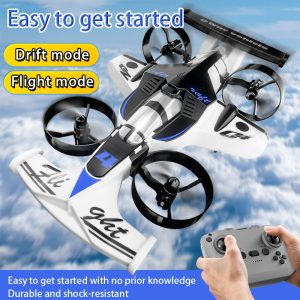
Practice Makes Perfect: Recommend simulators or low-cost toy drones to build muscle memory.
-
-
Conclusion: Reiterate that remote control is the gateway to the incredible world of drones. It’s a skill that blends technology, art, and responsibility. End by encouraging the reader to learn more about the tool they hold—the remote controller itself (segue to Blog Post 2).