-
Introduction: Start with the advertiser’s claim: “Up to 10km range!” Then ask the reader: “But should you, or even can you, fly that far?”
-
Part 1: Theoretical Range – What the Spec Sheet Says.
-
Explain the factors: transmission technology (Wi-Fi vs. OcuSync), antenna power, frequency (2.4 GHz for distance, 5.8 GHz for cleaner video), and signal interference.
-
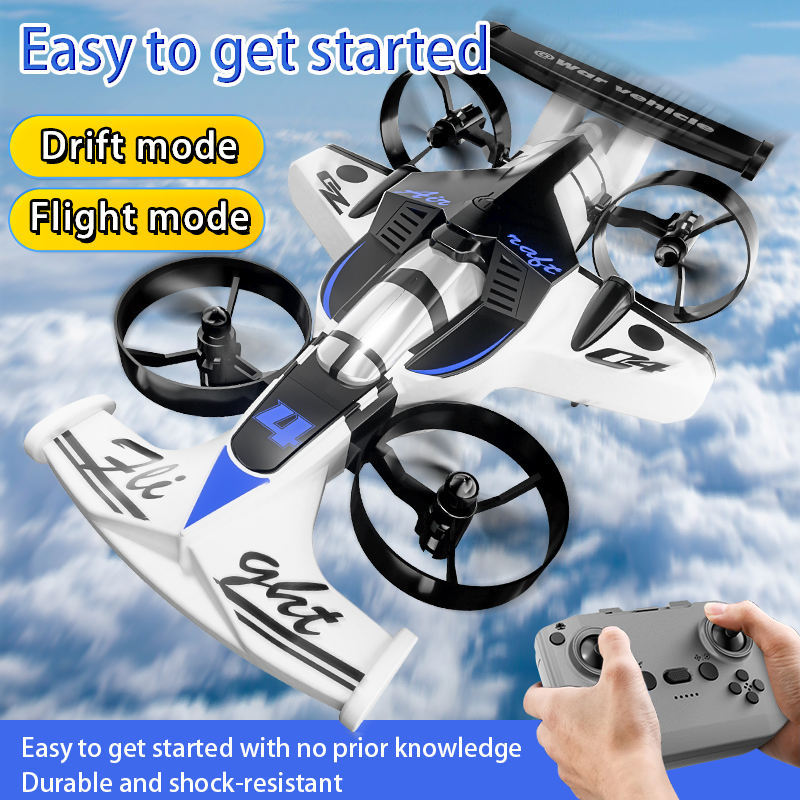
Give examples: Toy drones (100m), Mid-level (2-4km), High-end consumer (8-15km).
-
-
Part 2: The Real-World Killers of Range.
-
Physical Obstacles: Trees, buildings, and even the pilot’s own body can block signals.
-
Radio Interference: Urban areas are saturated with Wi-Fi and other signals.
-
Weather: Rain, fog, and high winds drastically affect performance and safety.
-
Battery – The Ultimate Limiter: The “20-minute rule.” Your range is a round trip. Flying out 5km means you need enough battery to return 5km, fighting wind.
-
-
Part 3: The Legal Cage – The Most Important Limits.
-
Visual Line of Sight (VLOS): This is the #1 legal constraint worldwide. You must be able to see your drone with your own eyes (unaided by binoculars) to maintain orientation, avoid other air traffic, and see hazards. This effectively limits range to about 500-1000m for most people.
-
Airspace Rules: Flying beyond VLOS (BVLOS) requires special waivers (Part 107.31 in the U.S.) for commercial pilots and is largely off-limits for recreational flyers.
-
Maximum Altitude (400 feet/120m): Another key legal limit that shapes your operational bubble.
-
-
Part 4: Safety First – Why VLOS is Non-Negotiable.
-
Discuss the risk of losing the drone (signal loss triggers RTH, but what if it fails?).
-
The danger to other aircraft (you cannot see a small plane or helicopter on your screen in time).
-
The ethical responsibility of knowing what your drone is near at all times.
-
-
So, What’s a Realistic, Legal Flight Range? Conclude that for a responsible pilot, the practical range is as far as you can clearly see and identify your drone, almost always well under 1km, regardless of the drone’s technical capability.
-
Conclusion: Reframe the question from “How far can it fly?” to “How far should I fly it?” Responsible piloting is about understanding and respecting the limits—of technology, battery, and most importantly, the law. This mindset ensures the safety and longevity of the hobby and industry for everyone.