-
Introduction: Address the term “RC Drone” which is often used but can be a bit of a misnomer. Explain that all drones are RC, but not all RC aircraft are drones.
-
RC 101: What Does Radio Control Mean?
-
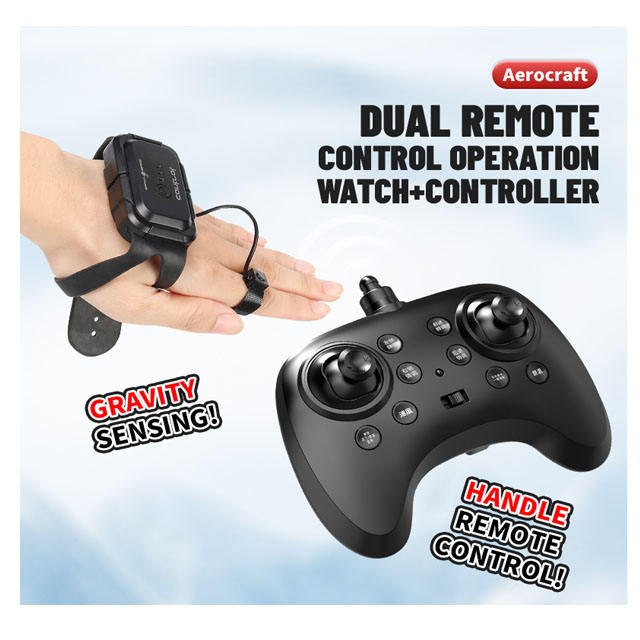
Simple definition: A method of controlling a vehicle from a distance using radio waves.
-
Mention its history in model airplanes, cars, and boats long before the word “drone” was popular.
-
-
Characteristics of a “Traditional RC Aircraft”:
-
Often built from kits or assembled by hobbyists.
-
Primary focus is on the act of flying (aerobatics, racing).
-
Usually requires direct, manual control of all flight surfaces at all times. Less automated stability.
-
May not have a camera, GPS, or autonomous features.
-
-
The Evolution to the Modern “Drone”:
-
The game-changer: The flight controller board. This is the computer that makes a drone a drone.
-
Key features enabled by this: Auto-hover (stability), GPS hold, waypoint navigation, “Return-to-Home,” obstacle sensing.
-
The primary focus often shifts to what the drone can see and do (photography, mapping, inspection) rather than just flying it.
-
-
So, is an “RC Drone” a Thing? Yes, but clarify:
-
In common language, it refers to consumer-grade multirotors (like DJI, Autel) that are controlled by radio.
-
Technically, it’s a redundant term (all drones are RC), but it’s useful to distinguish from autonomous military UAVs or tethered drones.
-
In the hobbyist world, “RC plane” and “FPV drone” are more specific terms.
-
-
Choosing Between an RC Hobby Aircraft and a Consumer Drone:
-
RC Plane/Heli: For those who love the hands-on challenge of piloting, building, and tinkering.
-
Consumer Drone (e.g., DJI): For photographers, videographers, and those who want the aircraft to handle stability so they can focus on the shot.
-
-
Conclusion: Understanding “RC” is understanding the basic technology that makes piloting possible. Knowing this history helps clarify the broader terminology used in the industry (perfect lead-in to Blog Post 5).